

Ontario proposes complete overhaul of provincial pathways to permanent residence
Ontario’s provincial government has proposed a two-phased approach for introducing major changes to how it selects nominees for permeant residence.
In phase one, the OINP would consolidate its three “Employer: Job Offer streams” into a single stream.
In phase two, the OINP would eliminate all its other existing streams, and introduce three brand new streams:
A priority healthcare stream.
An entrepreneur stream.
An exceptional talent stream.
Assess your eligibility for enhanced PNP streams
The Ontario Immigrant Nominee Program (OINP) is currently seeking feedback from stakeholders on the proposed approach.
The OINP did not specify how it would intend to handle in-progress applications under existing streams when implementing phase two.
Phase 1: New Employer Job Offer stream
The proposed new Employer Job Offer stream would include two separate pathways: one for occupations in at the National Occupation Classification (NOC) Training Education Experience and Responsibility (TEER) 0-3 level, and another for TEER 4-5 occupations.
TEER 0-3 pathway
The TEER 0–3 pathway would target skilled workers and prioritize candidates already in Canada with advanced qualifications. To qualify, applicants would need to meet minimum criteria in three main areas: wage, work experience, and education.
Job offer wage
The job offer would need to meet the median wage for that occupation in Ontario. Recent graduates of eligible Ontario institutions (within the past 2 years) may qualify with a job offer at the low-wage level.
Work experience
Applicants would need to meet one of the following criteria:
At least 6 months of work experience in Ontario in the job-offer NOC with the same employer, or
At least 2 years of experience in the job-offer NOC within the last 5 years (inside or outside Ontario), or
A valid licence in their occupation (where regulated) and good standing with the relevant regulatory body.
Education
Applicants would need to meet one of the following criteria:
If the applicant has 6 months of Ontario work experience in the job-offer NOC with the same employer, no minimum education requirement would apply; or
Applicants would need a post-secondary credential supported by an Educational Credential Assessment (ECA) if obtained outside Canada.
Employer Job Offer – TEER 4–5 track
The TEER 4–5 track would support employers who rely on roles that typically require a high school diploma or on-the-job training but are facing persistent shortages—such as many frontline, service, manufacturing and support occupations.
Key elements of this track include:
Eligibility across all TEER 4 and 5 NOCs:
All TEER 4 and 5 occupations would be eligible, with selection focused on occupations facing labour shortages.
Targeted draws:
The Ministry could run draws based on labour market needs and program priorities, focusing on specific occupations or worker profiles.
Minimum language requirement:
Applicants would need to meet a minimum language standard (for example, a specified Canadian Language Benchmark (CLB) level—details to be set in regulation).
Work experience requirement:
Applicants would be required to have at least 9 months of work experience in the job-offer NOC with the same Ontario employer.
The proposal also notes two important flexibilities:
A Potential construction pathway that would be a dedicated pathway for construction trades workers, where union support could be used to validate work experience instead of requiring a permanent, full-time job offer; and
Regional and sector targeting using the Employer Job Offer stream to invite candidates by region, occupation or other criteria to address urgent employer needs—building on recent efforts to run region-specific and occupation-specific draws under the OINP.
Phase two: Three new OINP streams
In the second phase of the redesign, Ontario proposes to introduce three new streams and to formally decommission existing streams that no longer align with provincial priorities. The three proposed streams are detailed below.
Priority healthcare stream
This stream would create a dedicated pathway for highly skilled healthcare professionals across Ontario to address demand in regulated healthcare professions across the province.
Key proposed features include:
No job offer required:
Applicants with valid professional registration in a regulated healthcare profession could apply without a job offer.
Support for new graduates:
Recent graduates who are in the final stages of obtaining their license or registration with a regulatory body may also be eligible.
System-wide focus:
The stream is intended to respond to sustained demand across Ontario’s health system, supporting hospitals, clinics and community health providers province-wide.
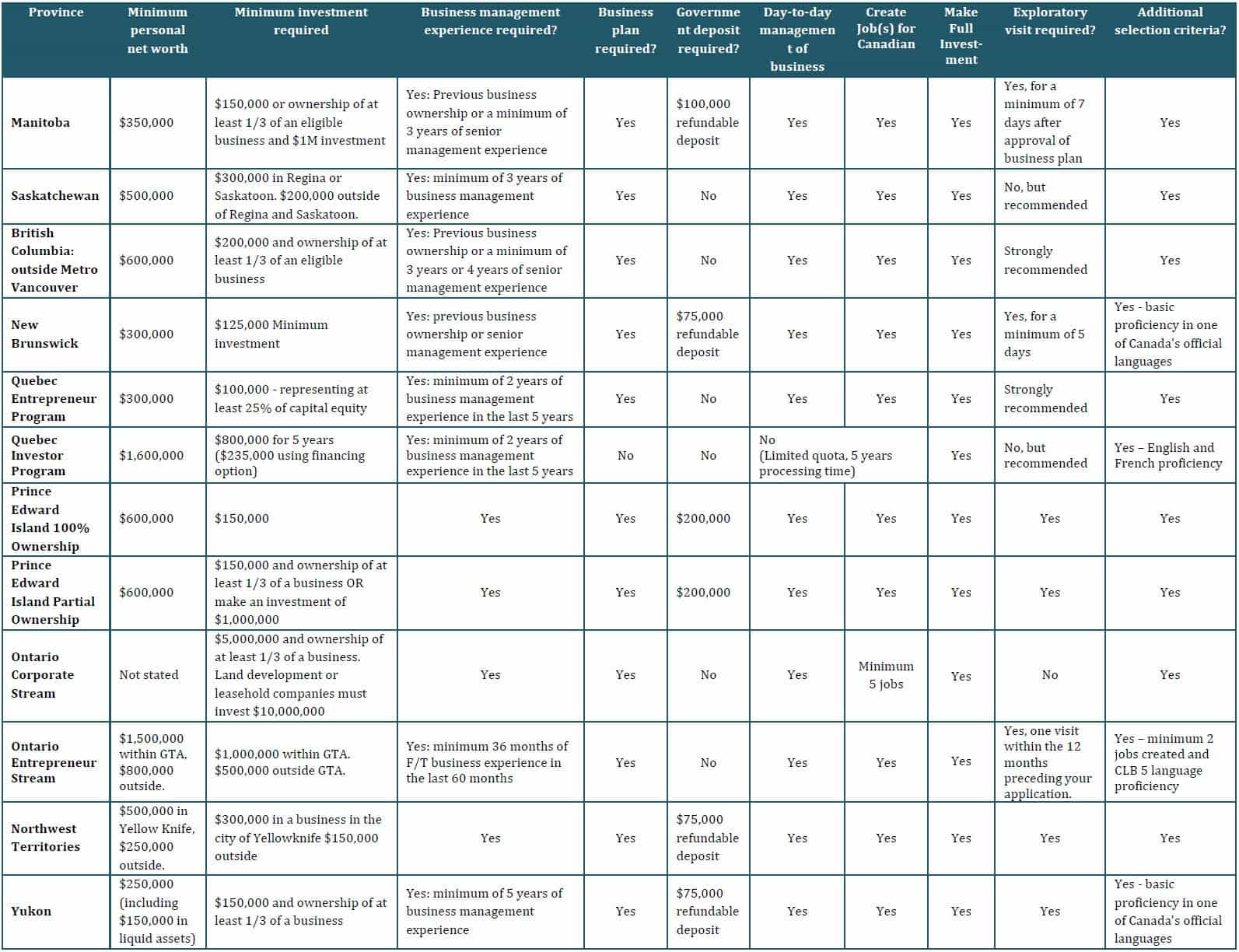
Entrepreneur stream
Ontario would also introduce a redesigned entrepreneur stream as a pathway for newcomers who invest in the province, create jobs and support regional economic development.
The proposed stream replaces the previously closed entrepreneur stream, and would target foreign nationals who either:
Have established and are actively operating a new business in Ontario, or
Have purchased and are actively operating an existing Ontario business (business succession).
Exceptional talent stream
The proposed exceptional talent stream is designed to capture candidates whose contributions fall outside traditional employment or job-offer pathways but are nonetheless highly valuable to Ontario.
It would focus on individuals in areas such as academia, innovation, science, technology and the creative sectors who:
Have proven achievements and recognition in their field, and
May not qualify under other OINP streams.
Examples of qualifying accomplishments could include:
Significant academic publications or research contributions;
Prestigious national or international awards;
Recognized, groundbreaking innovations (for example, in technology or life sciences); or
Notable artistic or creative works with wide recognition.
The stream would evaluate candidates with a qualitative assessment of each person’s contributions and their potential impact on Ontario’s economic, social and cultural life, rather than relying solely on traditional points-based criteria.